NGOs often work to improve access to quality education for marginalized communities. This may involve running schools, providing scholarships, organizing after-school programs, and offering vocational training to enhance employability and skills.
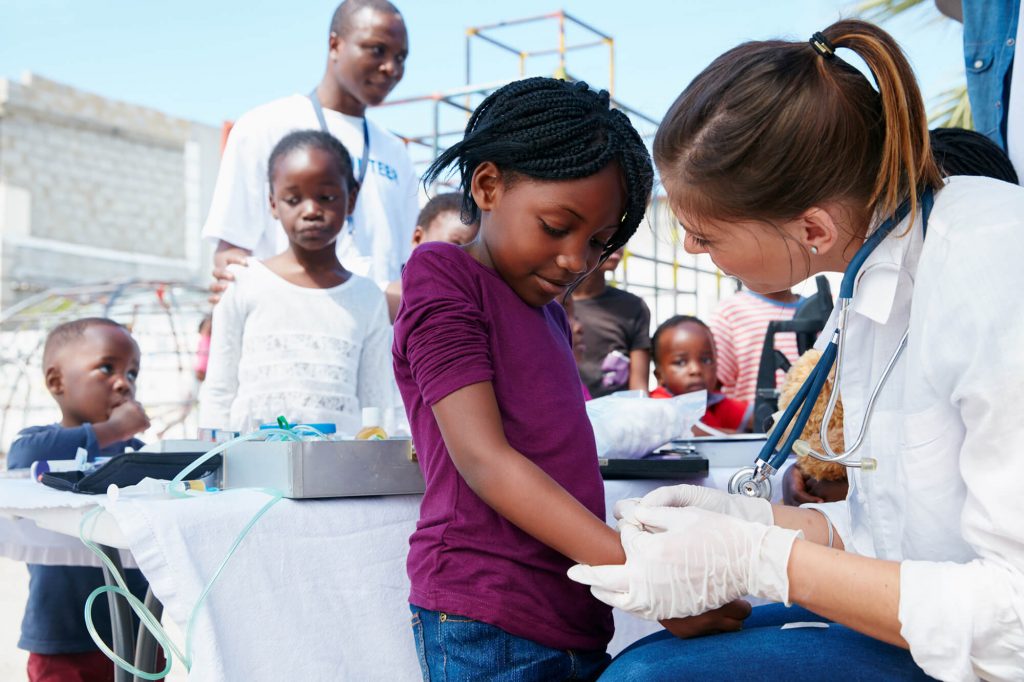
NGOs may offer healthcare services, especially in underserved areas. This can include operating clinics, organizing health camps, providing medical supplies and equipment, conducting health awareness campaigns, and supporting initiatives for disease prevention and control.
NGOs often strive to empower communities by creating economic opportunities. This can involve providing microfinance services, promoting entrepreneurship and business development, offering vocational training programs, and supporting income-generating activities.
In times of natural disasters, conflicts, or humanitarian crises, NGOs play a vital role in providing immediate relief and assistance. This can include distributing food, water, shelter, medical aid, and other essential supplies to affected communities.
NGOs work towards the overall welfare and development of communities. They may focus on issues such as poverty alleviation, gender equality, women empowerment, child rights, environmental conservation, and advocating for marginalized groups.
NGOs often engage in advocacy and awareness-raising activities to bring attention to social issues, promote policy changes, and advocate for the rights of marginalized communities. This can involve conducting campaigns, organizing public events, and engaging with policymakers to drive systemic change.
NGOs may offer training programs and capacity-building initiatives to individuals and local organizations. This can include leadership development, organizational management, project planning, and monitoring and evaluation to enhance their effectiveness and sustainability.
Some NGOs conduct research to gain insights into social issues and develop evidence-based solutions. They may also engage in policy analysis and advocacy to influence decision-making processes and drive positive policy changes.